
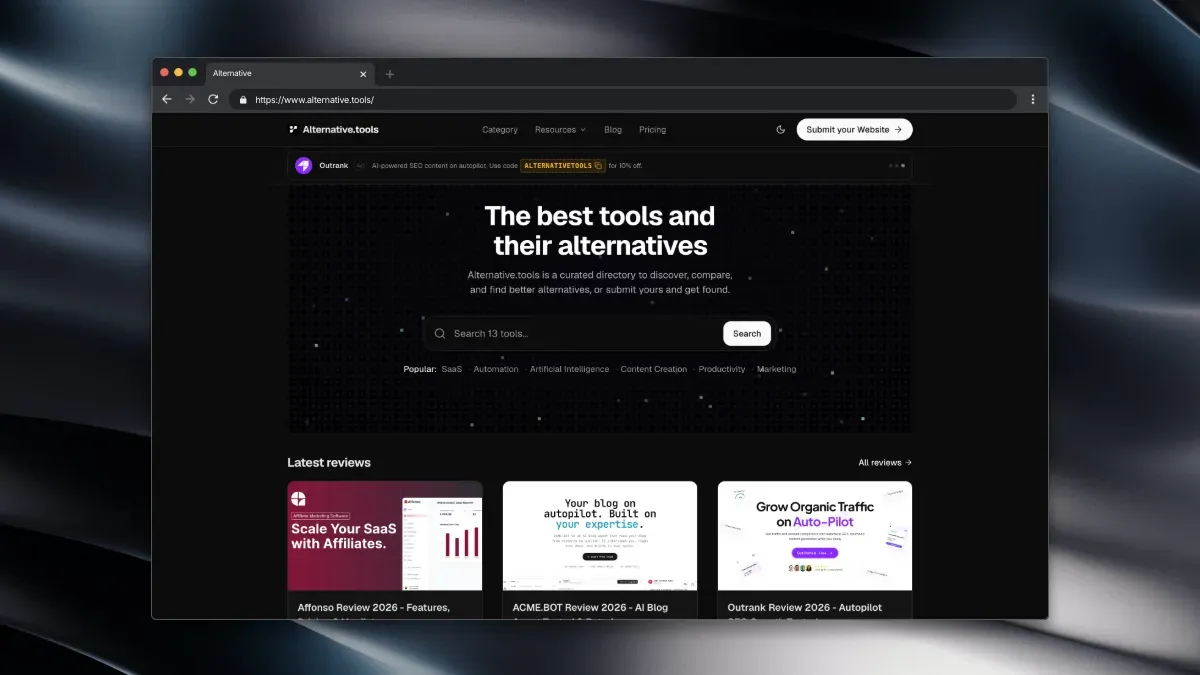
Introduction
Alternative.tools is an independent, curated directory that specializes in reviewing newly launched websites, tools, and products. Its core mission is to offer unbiased analysis and practical insights, helping users discover, compare, and select the best alternatives in a crowded software market. The platform is designed for founders, developers, and marketers who want to stay ahead of the curve by finding useful tools early and understanding their strengths and weaknesses before committing to adoption.
Unlike massive software review sites that host thousands of listings with generic descriptions, Alternative.tools takes a more focused approach. Each product is manually evaluated and categorized, and the site’s blog includes detailed review articles that go into features, pricing, and verdicts. This editorial approach gives the directory a distinct voice and makes it a valuable resource for those who prefer depth over breadth.
Key Features
Alternative.tools packs a range of features that streamline tool discovery and product evaluation. Below is a breakdown of the most relevant components:
Curated Listings
Every tool in the directory has been manually vetted, which reduces the noise and ensures that only legitimate, functional products appear. The homepage displays a “Top Products” section that highlights featured picks, ranked by relevance and probably by editorial selection. This curated approach is beneficial for users who want to avoid sifting through low-quality submissions.
In-Depth Reviews
The blog section, accessible from the main navigation, contains comprehensive review articles. These reviews typically follow a consistent structure: they introduce the product, explain its features, discuss pricing and value, and end with a verdict. For example, the review of Affonso, an affiliate software for SaaS, covers its positioning and capabilities in a concise manner. Similarly, ACME.BOT’s review focuses on its AI-driven content generation workflow. These reviews are practical and help potential users decide if a tool fits their needs.
Search and Filtering
The hero section features a prominent search bar that allows users to find tools by name or keyword. As of the latest snapshot, the placeholder reads “Search 13 tools…”, indicating the current size of the directory. The search is complemented by category links that display popular tags such as SaaS, Automation, and Artificial Intelligence. Users can also click on the Category page to explore all available categories and their respective tool counts.
Dynamic Widgets
The sidebar contains several useful widgets: “Top Products”, “Popular Categories”, and “Newest Software”. These widgets provide quick access to trending tools and recently added listings, making it easy to stay current with new launches. The homepage also includes a carousel of the latest reviews, which cycles through recent blog posts.
Resource Center
Beyond the directory itself, Alternative.tools hosts a collection of guides, how-to playbooks, and glossary entries. These resources cover topics like SEO tools, directory submission services, and key terminology. For instance, the “Featured Guide” widget currently highlights a comparison of the best SEO tools in 2026, offering insights into how Ahrefs, Semrush, and Moz stack up. This educational content adds value for users who are researching not just specific products but also broader categories.
Submission and Monetization
Founders can submit their website or tool via a dedicated form. The submission process is straightforward, and the platform offers paid options for enhanced visibility. The pricing page outlines different tiers, likely including free listings and sponsored placements. Additionally, the directory shows sponsored ads, such as the Web Review banner that appears in multiple locations. These ads are clearly labeled, which helps maintain transparency.
Clean Design and Navigation
The interface is minimal and responsive, with a two-tier header design (desktop and mobile). The desktop header includes navigation links to Categories, Resources (with a dropdown), Blog, and Pricing. A “Submit your Website” call-to-action is always visible. The mobile version condenses the navigation into a hamburger menu, ensuring usability across devices.
How It Works
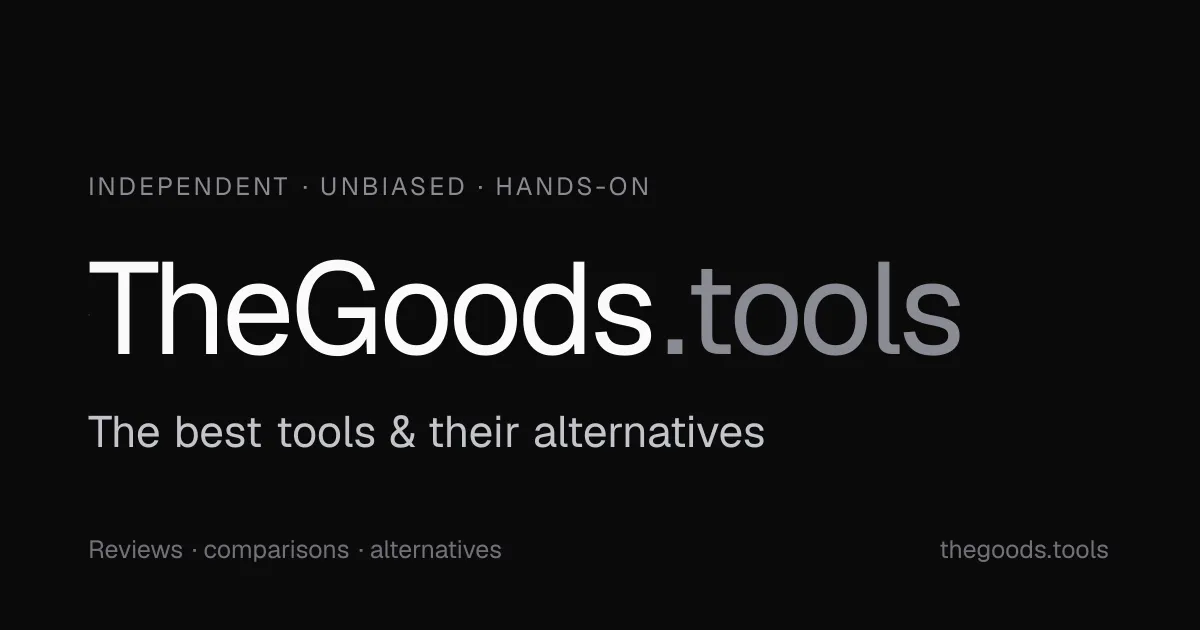
Using Alternative.tools is straightforward. On the homepage, users land on a hero section that includes the tagline “The best tools and their alternatives” along with a search input and popular category shortcuts. Typing a query into the search box and hitting enter will likely take users to a filtered list of matching tools. However, the exact search result page is not shown in the snapshot, so the behavior may vary.
For browsing, users can click on any category listed in the “Popular Categories” section or use the “Category” link in the menu. Each category has a dedicated landing page (e.g., /category/saas) that lists all tools within that category. Each tool entry typically displays a logo, the product name, a brief description, and a category badge. Clicking on a product leads to an item page (e.g., /item/affonso) that provides more details and an external link.
The submission workflow is another key component. After clicking Submit your Website, users are directed to a form where they can input their product’s details. The exact fields are not visible in the snapshot, but standard submissions usually require a name, URL, description, and category. Once submitted, the product may appear in the directory, either in the “Recently Listed” section or the general listings. If a founder opts for a paid package, their product could be featured in the “Top Products” section or receive a sponsored review article.
For readers who want to stay updated, the “Latest reviews” carousel provides direct access to recent blog posts. The footer also includes links to guides, how-to playbooks, and a sitemap.
Use Cases
Alternative.tools serves a variety of users with different goals:
Founders and Indie Hackers
For founders launching a new SaaS or web app, getting initial visibility is crucial. Alternative.tools offers a free submission channel that can put a product in front of an audience that is specifically interested in new tools. The platform’s audience appears to be tech-savvy users who are open to early-stage products, making it a good fit for beta launches. The referral traffic from a directory listing can also contribute to early SEO signals and backlinks.
Developers and Technical Professionals
Developers are often early adopters of new tools. The directory’s categories like Developer Tools, Automation, and Artificial Intelligence contain products that are directly relevant to their work. For instance, tools like ACME.BOT (an AI blog agent) or Outrank (an automated SEO platform) can streamline content and growth workflows. The detailed reviews provide technical insights that help developers evaluate whether a tool’s API, integrations, and features align with their needs.
Marketers and Growth Managers
Marketers can benefit from the platform’s focus on alternative discovery. Instead of sticking with well-known tools, they can find niche alternatives that may be more affordable or specialized. The reviews highlight not only features but also pricing and positioning, which is valuable for making budget-conscious decisions. The SEO-related categories and resources are particularly useful for growth marketing teams.
Product Researchers and Consultants
For consultants who need to compare tools for clients, the directory’s curated nature saves time. The guides, such as the “Best SEO Tools in 2026” comparison, provide a structured overview of the market. Additionally, the ability to browse recently listed products helps researchers spot emerging trends.
Pricing & Value
The exact pricing structure of Alternative.tools is not publicly displayed on the homepage, but the site includes a dedicated pricing page and a “Submit your Website” action. Based on common directory monetization strategies, the platform likely operates on a freemium model. Free submissions probably give basic listing access, while paid plans might offer features like:
- Featured placement in the “Top Products” widget
- Sponsored review articles on the blog
- Higher visibility in search results
- Priority listing in the category pages
The presence of sponsored ads (e.g., Web Review) also indicates that the platform generates revenue from external advertising. For founders, the value of a paid listing depends on the platform’s traffic and audience match. Given that the directory currently has only 13 tools, the potential reach is limited compared to larger platforms like Product Hunt or AlternativeTo. However, for a niche audience that values curated reviews, even a small, relevant audience can be valuable.
Final Verdict
Alternative.tools is a promising entry in the crowded field of product directories and review sites. Its strengths lie in its clean design, curated product selection, and commitment to editorial-style reviews. The inclusion of educational resources like guides and a glossary adds credibility and utility, setting it apart from simpler link lists.
The platform’s main weakness is its current scale. With only a handful of listings, it lacks the comprehensiveness needed to be a primary resource for tool discovery. The limited categories and sparse data may discourage users who are used to extensive databases. Additionally, the presence of sponsored ads could raise concerns about the impartiality of its reviews, though the clear labeling helps mitigate this.
For founders looking for early exposure and for professionals who appreciate detailed, practical analysis, Alternative.tools is worth exploring. If the directory continues to grow and maintain its editorial standards, it could evolve into a valuable niche community. For now, it serves as a complementary resource rather than a replacement for established alternatives.